

Germany, Apr 30, 2026
Last year, together with our partners, we demonstrated in an early field test how 5G geopositioning performs outside the laboratory under real-world conditions. At that time, the main focus was on how reliably positions can be determined in complex, practical environments and what role modern IT infrastructure and antenna technologies play in this context.
With the current test, we have consistently continued this approach and taken a closer look at a particularly demanding scenario: an underground infrastructure in the form of a newly constructed railway tunnel in southern Germany.
Together with our partners FBI GmbH, IALTAG GmbH, Hochschule Aalen and ConnectingCase GmbH, we investigated how 5G, DECT and WiFi signals behave in an environment defined by highly specific technical and physical constraints.
The key question: waveguide or attenuation trap?
At the core of the test was a fundamental question regarding radio wave propagation in tunnel environments:
Does a tunnel structure behave like a waveguide that efficiently transports signals over longer distances? Or does the signal energy decay as quickly as in free space once there is no direct line of sight?
This question is highly relevant for future applications in communication, positioning, safety, logistics and infrastructure monitoring in underground environments.
Test setup
The test was carried out in a realistic section of the newly constructed tunnel, including both complex curved areas without direct line of sight and long straight segments. In addition, the environment included level as well as ascending and descending sections.
The setup included, among other components, innovative antennas from IALTAG, specifically designed for demanding radio environments.
The goal was to compare the performance of different technologies (DECT, 5G and WiFi) under real conditions and, in particular, to analyse how signal range develops along the tunnel structure.

Surprising real-world results
The measurement results significantly exceeded initial expectations and clearly demonstrate how radio wave propagation behaves in tunnel structures:
- In complex tunnel sections with inclines and curves – without direct line of sight – a 3 to 4 times greater range compared to free space was achieved.
- Even behind the antennas, an additional range of up to 150 metres could still be measured.
- On straight tunnel sections, a particularly striking effect was observed: the range was 8 to 10 times greater than in free space.
These results suggest that tunnel structures can, in certain scenarios, exhibit waveguide-like properties and propagate signals significantly more efficiently than in open environments.
What does this mean for 5G geopositioning?
The findings are highly relevant for the further development of 5G geopositioning and communication solutions in enclosed infrastructure environments.
They show that:
- tunnel environments can actively support radio wave propagation,
- signal ranges may be more predictable than previously assumed,
- and new opportunities for geopositioning emerge when infrastructure design and antenna technology are optimally aligned.
This brings the vision of reliable, continuous positioning in critical infrastructure environments a significant step closer.
Conclusion and outlook
The latest test clearly confirms that real tunnel environments exhibit fundamentally different radio behaviour compared to traditional free-space scenarios. At the same time, the results open up new perspectives for the use of 5G geopositioning in infrastructure projects – from construction and maintenance processes to safety-critical applications.
Together with our partners, we aim to further develop this approach and translate the findings into future pilot projects and real-world applications.
Our partners at a glance
FBI GmbH
FBI GmbH is an experienced partner for specialised communication and technology solutions in the field of critical infrastructure. With strong technical expertise, the company supports projects from planning through to implementation in real-world environments.
IALTAG GmbH
IALTAG is a specialist in innovative antenna technologies. Its antenna solutions are designed specifically for complex environments such as tunnels, industrial facilities and hard-to-access areas.
Hochschule Aalen
Hochschule Aalen contributes its expertise in telecommunications, sensor technology and applied research to the project. It supports the analysis of complex radio propagation conditions and helps to scientifically evaluate and further develop real-world measurement results. This provides an important contribution to assessing 5G geopositioning technologies in real infrastructure scenarios.
ConnectingCase GmbH
ConnectingCase develops modular and flexible system solutions for demanding operational scenarios. The focus lies on robust mobile infrastructure concepts for industrial and public applications.
Das könnte Sie auch interessieren

Germany , Sep 7, 2026
Field Data Capture: Turning Real-World Environments into Digital Asset Data
Before data can be turned into digital models, analyses or intelligent applications, the relevant information first needs to be captured reliably. This is where Field Data Capture comes in

Germany , Sep 4, 2026
Field Data Capture: Wie aus realen Umgebungen digitale Bestandsdaten werden
Bevor aus Daten digitale Modelle, Analysen oder intelligente Anwendungen entstehen können, müssen die relevanten Informationen zunächst zuverlässig aufgenommen werden. Genau hier setzt Field Data Capture an.

Germany , Aug 11, 2026
Penetrationstests sind nicht das Endziel. Das Ziel ist die proaktive Reduzierung von Sicherheitsrisiken.
Für die meisten CISOs stellt sich die Frage nach Penetrationstests nicht mehr, ob sie durchgeführt werden sollen. Regulatorische Erwartungen, Anforderungen von Cyberversicherungen und die Kontrolle durch den Vorstand haben solche Tests unvermeidlich gemacht.

Germany , Aug 11, 2026
Penetrationstests im Jahr 2026: 10 Veränderungen, die Sicherheitsverantwortliche kennen müssen
Warum jährliche Penetrationstests nicht mehr ausreichen und wie ein plattformbasierter Ansatz für das Schwachstellenmanagement, der rund um die Uhr verfügbar ist, der Schlüssel zur Verringerung von Cybersicherheitsrisiken sein könnte.

Germany , Aug 10, 2026
Der Angriff vor dem Angriff: Warum Unternehmen frühzeitig Einblick in Cyberrisiken benötigen
Die meisten Cyberangriffe beginnen nicht mit einem Alarm im Security Operations Center. Sie beginnen schon früher – mit einem durchgesickerten Passwort, einer gefälschten Domain, einem kompromittierten Lieferantenkonto oder der Erkundung ungeschützter Systeme.

Germany , Aug 6, 2026
More Than a Drone: How Logicalis Develops Scalable Solutions Together with Customers and Partners
Innovation rarely comes from a single technology alone. The real value is created when different areas of expertise, systems, and data sources are brought together. This is exactly where Logicalis comes in. We bring together technology partners, customer requirements, and digital infrastructures to create solutions that deliver real value in practice.

Germany , Aug 5, 2026
Mehr als eine Drohne: Wie Logicalis aus Technologie mit Kunden und Partnern gemeinsam skalierbare Lösungen entwickelt
Innovationen entstehen selten durch eine einzelne Technologie. Der wirkliche Mehrwert entsteht dort, wo unterschiedliche Kompetenzen, Systeme und Datenquellen zusammengeführt werden. Genau hier setzt Logicalis an: Wir verbinden Technologiepartner, Kundenanforderungen und digitale Infrastrukturen zu Lösungen, die in der Praxis funktionieren.

Germany , Jul 9, 2026
Logicalis startet mit Microsoft Frontier Partner-Status und Copilot-Spezialisierung in die nächste Phase der Enterprise-KI
Logicalis gibt den Microsoft Frontier Partner-Status sowie zwölf Microsoft Advanced Specialisations bekannt – darunter Spezialisierungen für das gesamte Security-Portfolio, Azure Expert MSP und Modern Work mit Microsoft 365 Copilot.

Germany , Jun 23, 2026
Skalierung von KI: Warum die Ambitionen die Bereitschaft überholen
Bislang ist die Unternehmenslandschaft im Jahr 2026 geprägt vom Streben nach KI und deren Integration. Das Interesse der Unternehmen hat einen Höhepunkt erreicht, und laut einer aktuellen weltweiten Studie des „Logicalis Global CIO Report“ geben 94 % der IT-Führungskräfte an, dass der Wunsch nach dem Einsatz von KI im Vergleich zu vor nur 12 Monaten gestiegen ist.

Daten in Bewegung, Sicherheit durch Design: Architektur für das Zeitalter der KI
Das Zeitalter der künstlichen Intelligenz erfordert mehr als nur vereinzelte Technologieentscheidungen. Erfahren Sie, wie Logicalis und Cisco Unternehmen dabei unterstützen, das richtige Ökosystem aufzubauen, um KI sicher zu skalieren und komplexe Infrastrukturen in eine Plattform für Wachstum zu verwandeln.

Germany , Apr 30, 2026
5G-Geopositionierung im Praxistest – neue Erkenntnisse aus dem Tunnelumfeld
Im vergangenen Jahr haben wir gemeinsam mit unseren Partnern im Rahmen des Early Field Tests gezeigt, wie sich 5G-Geopositionierung außerhalb des Labors unter realen Bedingungen bewährt.Mit dem aktuellen Test haben wir diesen Ansatz konsequent weitergeführt und einen Schritt tiefer geschaut.

Germany , Nov 17, 2025
Von Netzwerk-Regelchaos zur Application Ownership
Mit DORA – dem Digital Operational Resilience Act der EU – ist für Finanzinstitute eine neue Ebene der operativen Kontrolle verpflichtend geworden. Es geht längst nicht mehr nur um Verfügbarkeit oder Datenschutz. Gefordert sind systematische, auditierbare Prozesse – vom Risk Management bis zur Infrastruktur-Security.

Germany , Nov 12, 2025
From Network Rule Chaos to Application Ownership
With DORA – the EU’s Digital Operational Resilience Act – now in effect, financial entities are required to demonstrate a whole new level of operational control. It's not just about uptime or data protection anymore. We're talking about systematic, auditable processes for everything from risk management to infrastructure security.

Germany , Nov 4, 2025
Logicalis investiert in Sicherheitslösungen zur Bekämpfung von Cyberbedrohungen.
– Angesichts der weltweit kritischen Cyber-Bedrohungen haben 88 % der Unternehmen in den letzten 12 Monaten einen Cybersicherheitsvorfall erlebt, 43 % waren sogar mit mehreren Vorfällen konfrontiert. Als Reaktion darauf kündigt Logicalis, der weltweit führende Technologie-Dienstleister, heute strategische Investitionen und ein erweitertes Portfolio an intelligenten Sicherheitslösungen an.
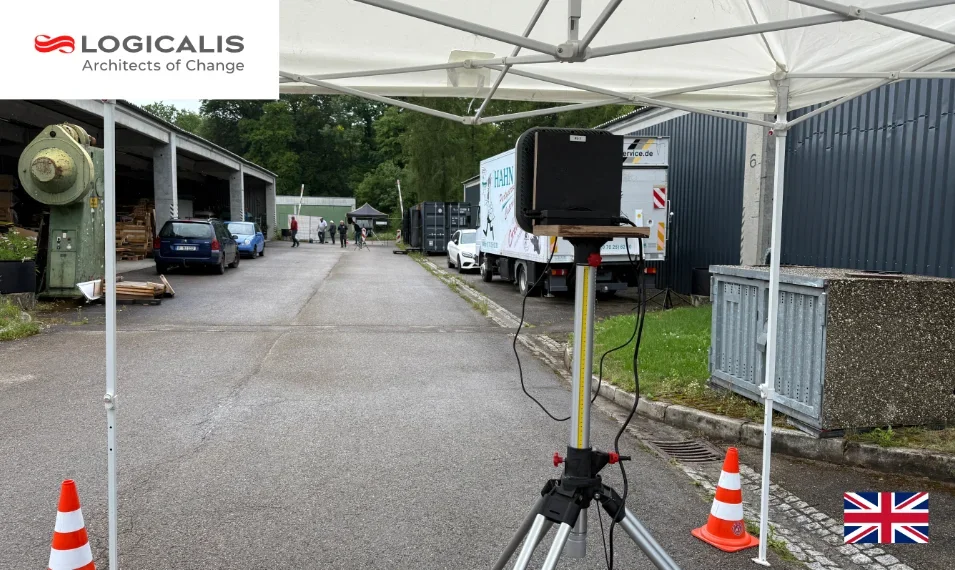
From Theory to Practice: Testing 5G Geo-Positioning in a Real-World Laboratory
Imagine rescue teams being able to share their location in real time even deep underground.After successful laboratory tests, we wanted to find out: Does the technology deliver under real-world conditions?
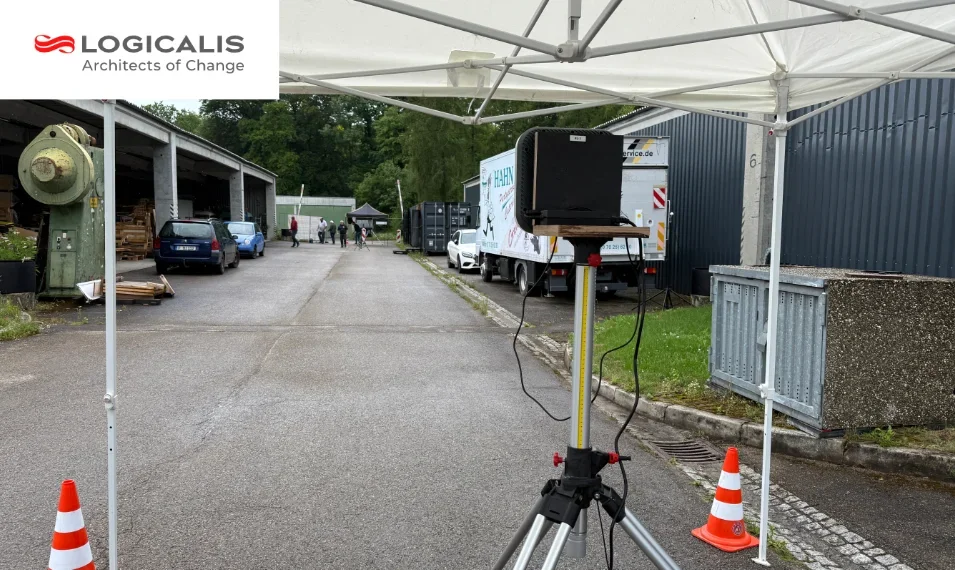
5G-Geopositionierung im Praxistest: Von der Theorie ins Real-Labor
Stellen Sie sich vor, Rettungskräfte könnten ihren Standort in Echtzeit teilen, selbst tief unter der Erde. Genau hier setzt die 5G-Geopositionierung an: Eine Technologie, die neue Maßstäbe in Präzision und Zuverlässigkeit setzt, selbst dort, wo GPS oder Radar an ihre Grenzen stoßen.

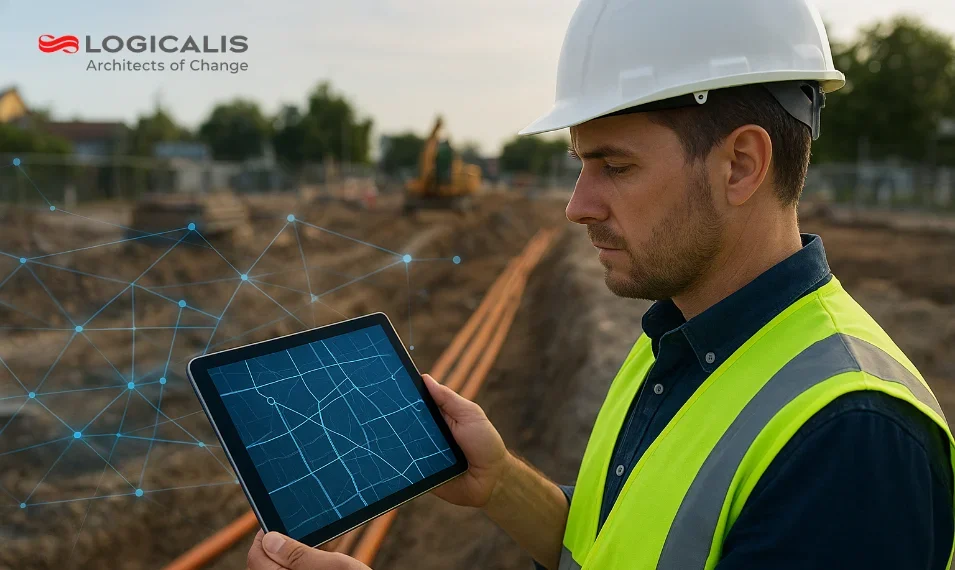
Documentation as the Key to Reliability and Transparency in Infrastructure Projects
In civil engineering projects such as fiber-optic rollouts, power grid expansion, or other utility infrastructure, documentation is often the invisible foundation that determines sustainable success.
Dokumentation als Schlüssel zu Zuverlässigkeit & Transparenz im Infrastruktur-Bereich
Wenn es um Tiefbauprojekte geht – sei es im Glasfaser-, Stromnetzausbau oder in Bauprojekten anderer Versorgungsleitungen, dann ist Dokumentation oft der unsichtbare Teil, der jedoch über nachhaltigen Erfolg entscheidet.

Germany , Jul 24, 2025
Gemeinsam zur grünen Energie! - Effiziente Netzplanungs-Unterstützung für Bayernwerk
Logicalis Connected übernimmt verschiedene Aufgaben im Rahmen der Planung und Realisierung von Trassenverläufen für Mittel- und Niederspannungsleitungen für Bayernwerk. Im Zuge des Übergangs zur grünen Energie im Rahmen der Energiewende werden zusätzliche Übertragungsleitungen zur Einspeisung benötigt.

From SmartNICs to eBPF: How Logicalis Builds a Next-Gen Cilium Lab for Real-World Networking
#Hypershield. #SmartNIC offloading. #Cilium. #eBPF-based security. These technologies are reshaping modern enterprise networking – and not just for the hyperscalers. At Logicalis, we’re building a flexible, automated Cilium Lab to bring that power to customers of all sizes.
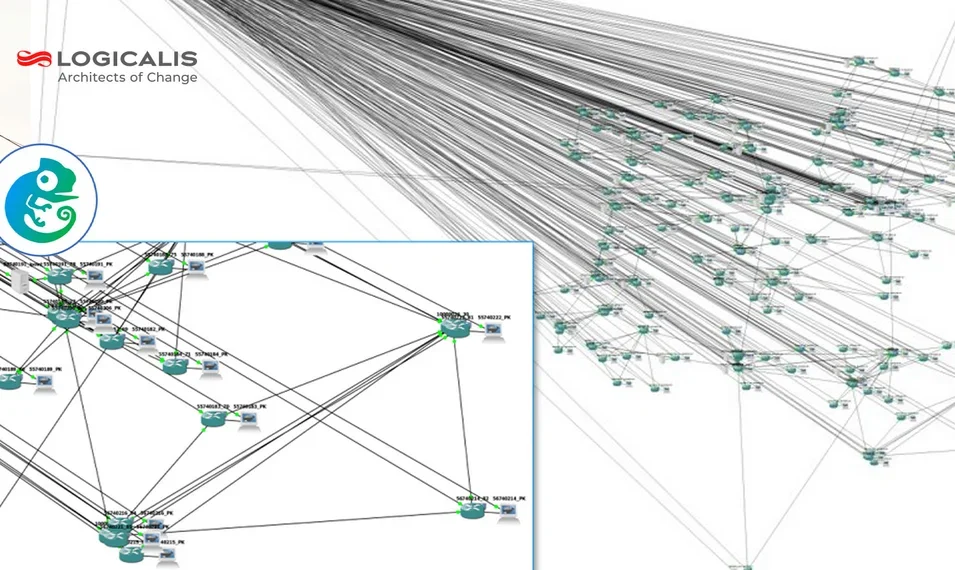
Digitaler Zwilling von Netzwerken: Simulationsgestützte Planung bei EWE Tel
Das kontinuierliche Wachstum des Datenverkehrs ist heutzutage eine echte Herausforderung für die Betreiber, da mehrere Dienste ihren Datenverkehr in die Betreiber Netze hinzufügen. Bei jeglicher Planung von Infrastruktur sind digitale Zwillinge ein wichtiges Hilfsmittel, um Kosten zu sparen und Schwierigkeiten und Konflikte vorherzusehen. Dies gilt auch für die Planung von Netzwerken.

MultiNet6G: Brücken bauen zwischen drahtlosen Technologien
Das MultiNet6G-Projekt wird von der Vision angetrieben, verschiedene drahtlose Kommunikationstechnologien nahtlos zu integrieren, darunter 5G, WiFi, Visible Light Communication (VLC) und Radarkommunikation. Der Bedarf für diese Integration ergibt sich aus mehreren Szenarien.

Logicalis und Currenta - Ein Interview zur Erfolgsgeschichte in der Campus-Umgebung
Unser Netzwerk-Design für Currenta steht exemplarisch für erfolgreiche Planung und Orchestrierung in einer komplexen Campus-Umgebung. Im Fokus steht das Currenta Backbone Projekt, bei dem ein IP-Datennetz für den CHEMPARK-Betreiber über drei Standorte hinweg implementiert wurde.

5G Mobil-Konnektivität in Europas Tunnelprojekten
In Europa erleben wir eine stetige Zunahme von Tunnelbauprojekten. Diese komplexen Untergrundprojekte stellen besondere Herausforderungen an die Kommunikation und Sicherheit, insbesondere für Rettungsdienste, für die eine zuverlässige Mission Critical Communication (MCC) unverzichtbar ist.

Network Source Of Truth (NSOT): Die Basis für Netzwerk Automation
Network Source of Truth (NSoT)-Systeme zentralisieren netzwerkbezogene Daten, vereinfachen die Verwaltung von Konfigurationen, IP-Adressen und Geräten und gewährleisten Datenkonsistenz und Effizienz im gesamten Unternehmen. Sie sind ein Baustein, aber kein Allheilmittel.

Cloud-Native Transformation und Platform Engineering im der FinTech: Legacy-Infrastruktur meistern
FinTech-Unternehmen müssen mit hohen Verarbeitungslasten, langsamen Bereitstellungszyklen und komplexem Kostenmanagement umgehen, während sie gleichzeitig Bare-Metal reduzieren und verteilte Infrastrukturen aufbauen. In diesem Artikel zeigen wir, wie FinTech-Unternehmen diese Hürden überwinden können, indem sie Cloud-native Technologien erfolgreich nutzen.